
Introduction
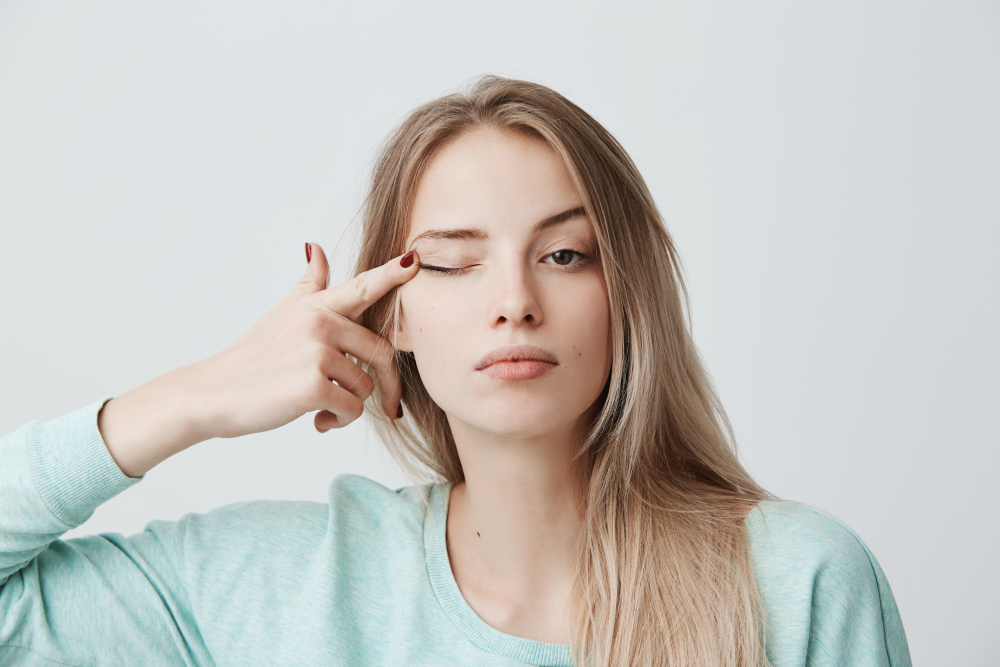
Droopy eyelids, also called ptosis, happen when the upper eyelid sags over the eye. Many people wonder how to fix droopy eyelids because they can affect both appearance and vision. Sometimes, droopy eyelids make it hard to see clearly. Other times, they may cause people to feel self-conscious. Although this condition can affect anyone, it is more common as people age. Understanding the causes, symptoms, and treatment for droopy eyelids can help you make the best choices for your eye health.
Causes of Droopy Eyelids
There are several reasons why eyelids may droop. Knowing the cause can help guide the right treatment. For example, some causes are harmless, while others may need medical care.
Because there are many causes, it is important to find out why your eyelids are drooping.
Symptoms and When to Seek Help
Droopy eyelids can show up in different ways. Sometimes, the changes are mild. Other times, they are more noticeable. However, you should watch for these common symptoms:
If you notice sudden drooping, double vision, or pain, seek medical help right away. These signs can point to serious problems. Also, if droopy eyelids affect your daily life, it is time to see a doctor.
Diagnosis Methods
Doctors use several methods to diagnose droopy eyelids. First, they will ask about your symptoms and medical history. Next, they will examine your eyes closely. Often, they may measure how far your eyelid droops. In some cases, doctors use special tests to check the eye muscles and nerves. For example, they might:
Because some causes are serious, a full eye exam is important for proper diagnosis.
Treatment Options
There are several ways to fix droopy eyelids. The right treatment depends on the cause and how much the eyelid droops. Let’s look at the main options:
Non-Surgical Treatments
However, these options work best for mild or temporary drooping.
Medical Treatments
Still, not everyone is a good candidate for these treatments.
Surgical Treatments
Surgery is often the most effective way to fix moderate to severe droopy eyelids. According to the American Academy of Ophthalmology, eyelid surgery is safe and has a high success rate. However, all surgery carries some risks, so discuss options with your doctor.
Prevention and Lifestyle Tips
While you cannot always prevent droopy eyelids, some steps may help keep your eyes healthy. For instance, you can:
Although these tips cannot stop all cases, they support overall eye health.
Frequently Asked Questions
Conclusion
Droopy eyelids can affect both how you look and how well you see. Thankfully, many treatment options are available, from simple exercises to eyelid surgery. If you notice changes in your eyelids, do not ignore them. Consult an ophthalmologist for personalized advice.