
What Are Recurrent Eye Infections?
Recurrent eye infections are eye problems that return again and again. These infections can affect one or both eyes. Often, people notice redness, pain, or discharge. While some infections clear up, others keep coming back. This can be frustrating and may affect daily life. Because of this, it is important to understand why they happen and how to prevent them.
Common Symptoms
Many signs can point to an eye infection. However, symptoms may change depending on the cause. Here are some common symptoms:
Sometimes, these symptoms go away. But if they return often, it may be a sign of recurrent eye infections.
Causes of Recurrent Eye Infections
There are many reasons why eye infections keep coming back. For example, some people have weak immune systems. Others may have allergies or use contact lenses. Here are some common causes:
Additionally, some people may have underlying health issues. For instance, diabetes can make infections more likely. According to the CDC, good hygiene is key to preventing many eye infections.
How Eye Infections Are Diagnosed
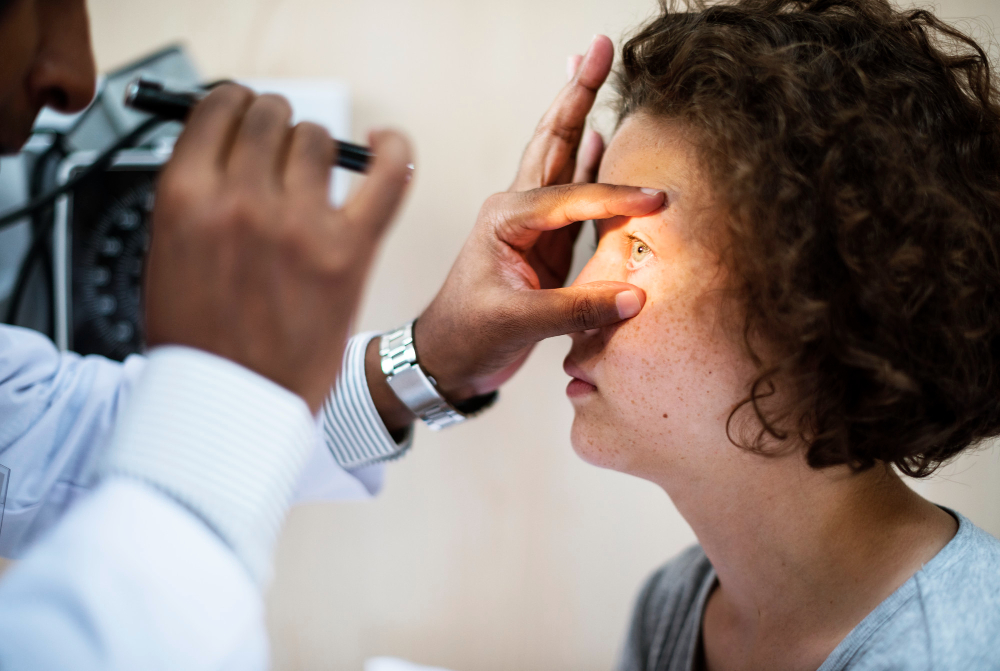
Doctors use several steps to find the cause of recurrent eye infections. First, they ask about your symptoms and medical history. Next, they examine your eyes with a special light. Sometimes, they may take a sample of eye discharge. This helps find out if bacteria, viruses, or fungi are present. Because each infection is different, proper diagnosis is important for the right treatment.
Treatment Options
Treating recurrent eye infections depends on the cause. For example, bacterial infections often need antibiotic drops or ointments. Viral infections may clear up on their own, but sometimes doctors give antiviral medicine. If allergies are the cause, allergy drops or pills can help. Here are some common eye infection treatments:
Always follow your doctor’s advice. Do not use old or shared eye drops. In some cases, you may need to see an eye specialist for chronic eye infection causes.
Prevention Tips
Preventing eye infections is possible with good habits. For instance, always wash your hands before touching your eyes. Here are some tips for preventing eye infections:
In some locations, air pollution or dust can make eye infections more common. Therefore, wearing sunglasses or protective glasses outdoors may help.
When to See a Doctor
Sometimes, eye infections can be serious. If you notice symptoms that do not improve, it is time to see a doctor. For example, seek help if you have:
Early treatment can prevent problems. In summary, do not ignore ongoing or severe symptoms.
Consult an eye specialist if you experience frequent or persistent eye infections for personalized advice.