
Introduction
Corneal abrasions are scratches or injuries to the clear front surface of the eye. The cornea helps you see clearly, so even small scratches can cause discomfort. Because the cornea is sensitive, corneal abrasions are common and important to treat quickly. If left untreated, they can lead to infections or vision problems. Understanding corneal abrasions, their symptoms, and how to treat a scratched cornea can help protect your eyes.
Symptoms
Corneal abrasion symptoms often appear soon after the injury. For example, you may notice pain or a gritty feeling in your eye. Other symptoms can include:
However, symptoms can vary based on the size and location of the scratch. If you notice any of these signs, seek medical advice.
Causes
Many things can cause corneal abrasions. For instance, you might scratch your eye with a fingernail or a makeup brush. Other common causes include:
Because the cornea is exposed, even small particles can cause injury. Always handle your eyes with care to avoid corneal injuries.
Diagnosis
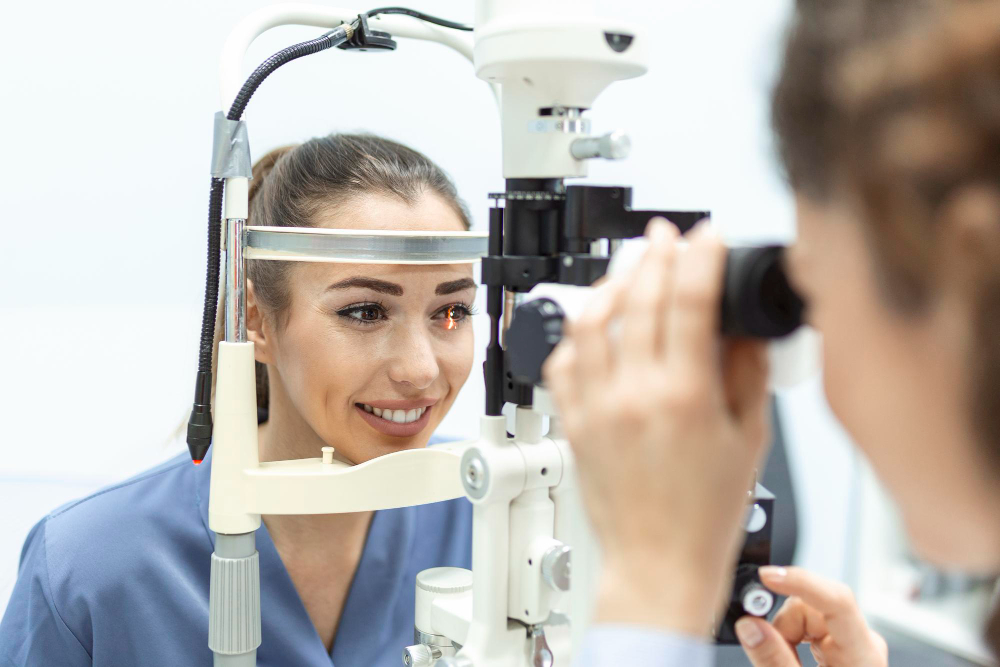
Doctors use a few simple tests to diagnose corneal abrasions. First, they will ask about your symptoms and how the injury happened. Next, they may use special eye drops that highlight scratches under blue light. This makes it easier to see the abrasion. Sometimes, your doctor may use a microscope to look closely at your eye. Early diagnosis helps prevent infection and speeds up healing. According to the CDC, prompt care is important for eye injuries.
Treatment Options
Knowing how to treat a scratched cornea is important. Most corneal abrasions heal within a few days with proper care. Treatment options include:
However, do not try to remove objects stuck in your eye by yourself. Instead, seek medical help. Never use redness-relief drops unless your doctor says it is safe. If pain or vision problems continue, return to your eye specialist.
Prevention Tips
Preventing corneal injuries is possible with a few simple steps. For example, you can:
Because prevention is easier than treatment, follow these tips to protect your eyes every day.
Lifestyle Guidance for Recovery
After a corneal abrasion, caring for your eyes helps speed up healing. For instance, rest your eyes and avoid bright lights. Additionally, follow your doctor’s instructions for using eye drops or patches. Do not wear contact lenses until your doctor says it is safe. If you need to go outside, wear sunglasses to reduce discomfort. Most importantly, avoid rubbing your eyes while they heal. With proper care, most people recover quickly and fully.
If you suspect a corneal abrasion, consult an eye specialist for personalized care.