
Introduction: What Are Eye Drops and Why Use Them?
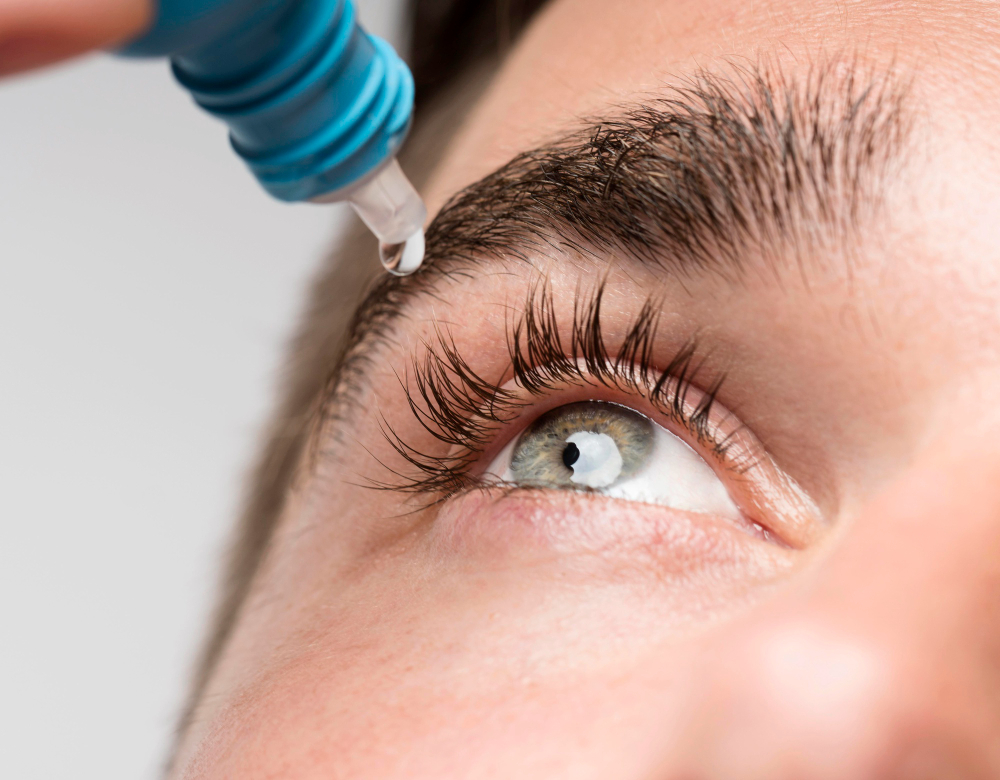
Many people use eye drops to soothe dry eyes, treat allergies, or manage eye conditions. Eye drops are liquid medicines or lubricants that you put directly into your eyes. For example, some people use them to relieve redness or itching. Others may need them for medical reasons, such as treating infections or glaucoma. Because eye drops are easy to use, you might wonder: are eye drops safe for regular use?
Are Eye Drops Safe for Regular Use?
In most cases, eye drops are safe when used as directed. However, using them too often or in the wrong way can cause problems. For instance, overusing certain types can lead to side effects or even harm your eyes. Therefore, it is important to follow your doctor’s advice and read the instructions on the label. If you use eye drops daily, you should know the risks and how to use them safely. According to the World Health Organization (WHO), proper use is key to avoiding harm.
Types of Eye Drops and Their Uses
There are several types of eye drops. Each type has a different purpose. Here are the most common ones:
Because each type works differently, always use the right one for your needs. If you are unsure, ask your ophthalmologist for advice on eye drops.
Potential Risks and Side Effects of Frequent Use
While eye drops can help, using them too often may cause problems. Some possible side effects of daily eye drops include:
Additionally, sharing eye drops or using expired bottles can lead to infections. Therefore, always use your own drops and check the expiration date. The Centers for Disease Control and Prevention (CDC) warns that improper use can increase the risk of eye infections.
Safe Usage Guidelines for Eye Drops
To ensure the safe use of eye drops, follow these simple tips:
Because safe use of eye drops is important, always read the instructions and ask your doctor if you have questions.
When to Consult an Ophthalmologist
Sometimes, you may need expert advice on eye drops. You should see an ophthalmologist if you notice:
Additionally, if you need to use eye drops every day for more than a few days, check with your doctor. Regular check-ups help ensure your eyes stay healthy and safe.
Prevention and Eye Health Tips
Although eye drops can help, it is better to prevent problems when possible. Here are some tips to keep your eyes healthy and reduce the need for regular eye drops:
By following these steps, you can support your eye health and may not need eye drops as often.
Conclusion
In summary, eye drops are safe for regular use when you follow the right steps. However, overuse or improper use can cause side effects. Therefore, always use eye drops as directed and watch for warning signs. For the best care, consult an ophthalmologist for personalized advice on eye drop use.