
What is a Cataract?
A cataract is a cloudy area that forms in the lens of your eye. Because of this cloudiness, light cannot pass through the lens clearly. As a result, your vision becomes blurry or dim. Cataracts are common, especially as people age. However, they can affect anyone. Cataract: When to Seek Eye Specialist Advice is an important topic for everyone who wants to protect their eyesight.
Common Symptoms of Cataracts
It is important to know the early signs of cataract. Early detection helps you get the right care. Here are some common symptoms:
Sometimes, these symptoms develop slowly. But if you notice any changes, it is wise to seek eye specialist advice for cataract.
Causes and Risk Factors
Cataracts can develop for several reasons. Most often, they are related to aging. However, other factors can increase your risk. For example, you may be at higher risk if you:
Because some risk factors can be controlled, making healthy choices may help lower your risk.
When Should You See an Eye Specialist?
Knowing when to see an eye doctor for cataract is key. You should seek advice if you notice:
In addition, if you are over 60, regular eye exams are important. Early signs of cataract can be found during these visits. If you live in a city, you can easily find an eye specialist near you for a check-up.
Diagnosis and What to Expect at the Clinic
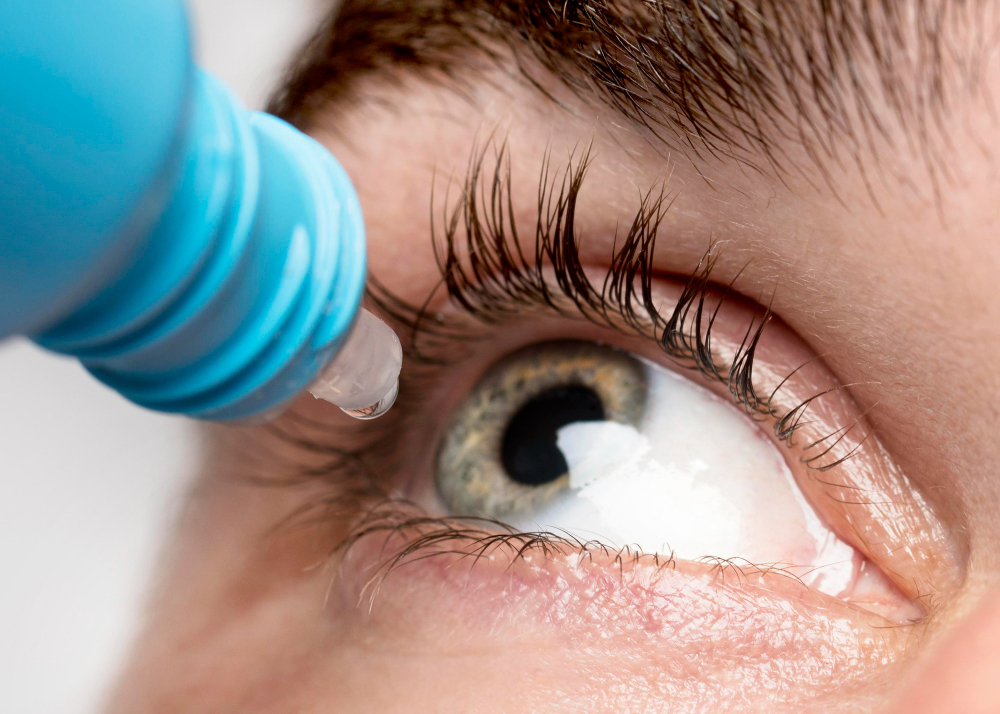
When you visit an eye clinic, the doctor will ask about your symptoms. Next, they will check your vision with simple tests. For example, you may read letters on a chart. The doctor may also use a special light to look inside your eye. This helps them see if you have a cataract. Sometimes, eye drops are used to widen your pupil. This makes it easier to examine the lens. The exam is painless and takes only a short time.
Treatment Options for Cataracts
There are several cataract treatment options. At first, you may only need new glasses or brighter lights. However, if your vision gets worse, surgery may be needed. Cataract surgery is safe and common. During surgery, the cloudy lens is removed and replaced with a clear artificial lens. Most people see better soon after surgery. Your eye specialist will explain the best option for you.
Prevention and Eye Health Tips
While not all cataracts can be prevented, you can lower your risk. Try these tips:
Because healthy habits support eye health, they may delay cataract development.
Frequently Asked Questions
Conclusion and Call-to-Action
In summary, cataracts can affect anyone, but early care makes a big difference. If you notice blurry vision, faded colors, or trouble seeing at night, do not wait. Consult an eye specialist promptly if you notice any changes in your vision. Early advice and treatment can help protect your sight for years to come.