
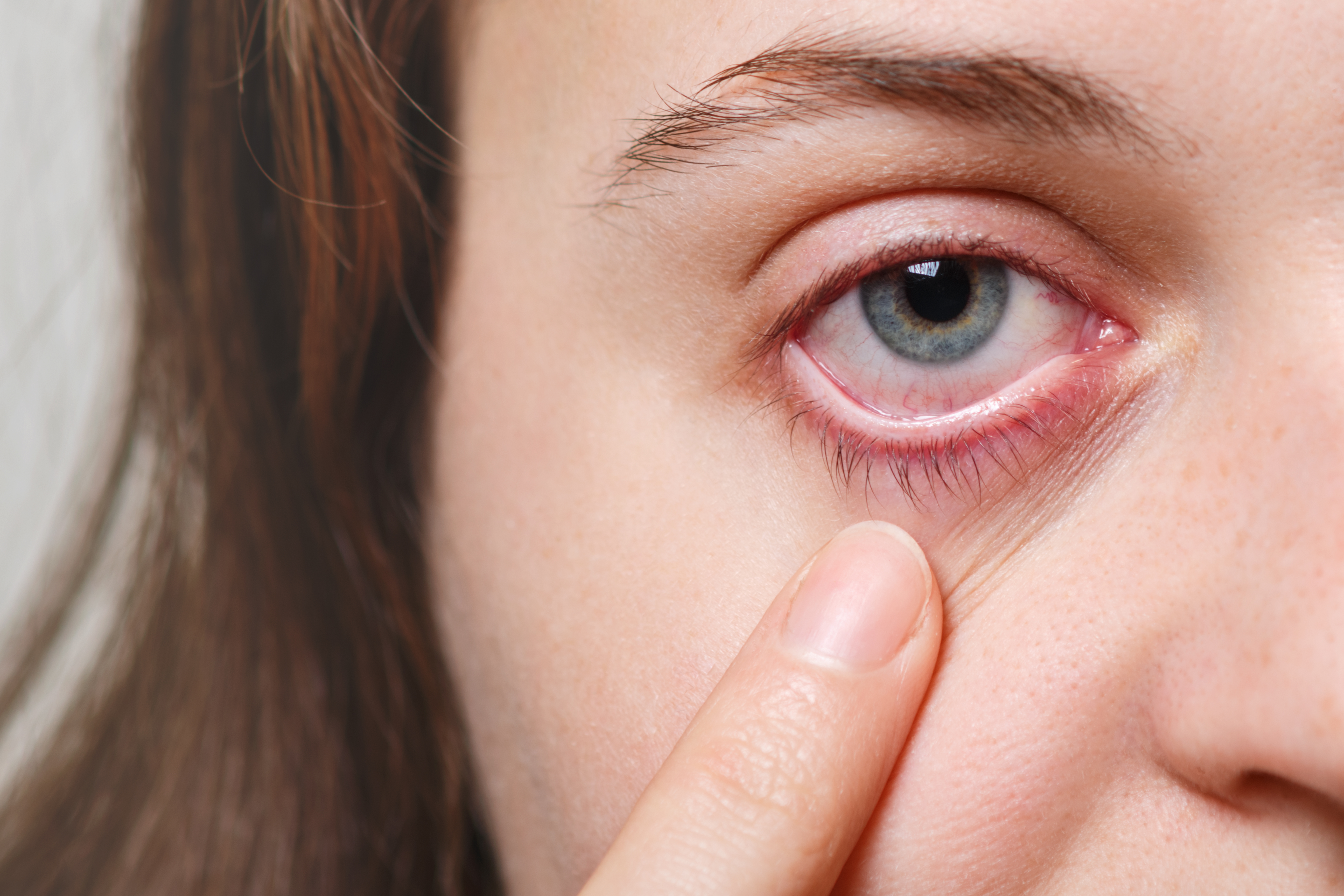
What is Myopia?
Myopia, also called nearsightedness, is a common eye condition. People with myopia can see close objects clearly, but distant objects look blurry. In recent years, myopia has become more common, especially in children. According to the World Health Organization (WHO), the number of people with myopia is rising worldwide. This condition can affect school performance and daily life. If left untreated, high myopia may increase the risk of serious eye problems later in life.
Why Does Myopia Progress?
Myopia often starts in childhood and can get worse as children grow. Several factors can cause myopia to progress. For example, genetics play a big role. If one or both parents have myopia, their children are more likely to develop it. In addition, spending long hours on close-up tasks, like reading or using screens, can increase the risk. On the other hand, spending less time outdoors may also make myopia worse. Because of these factors, myopia progression is a concern for many families.
Can Myopia Progression Be Slowed?
Many parents ask, “Can myopia progression really be slowed?” Recent research gives hope. Studies show that myopia control is possible. Several methods can help slow down how quickly myopia gets worse. For instance, some treatments can reduce the rate of progression by up to 50%. However, results can vary from person to person. It is important to talk to an eye care specialist to find the best approach for each child.
Myopia Control Methods
There are several proven myopia control methods. Here are some of the most effective options:
Each method has its own benefits and risks. Therefore, it is important to choose the right option with the help of an eye care professional.
Effectiveness and Safety of Myopia Control
Many studies support the effectiveness of myopia control methods. For example, research published in peer-reviewed journals shows that low-dose atropine drops and special contact lenses can slow myopia progression by 30% to 60%. Most treatments are safe when used as directed. However, some children may experience mild side effects, such as eye redness or discomfort. Because of this, regular check-ups with an eye doctor are important. In summary, myopia control methods are both effective and safe for most children.
Prevention and Lifestyle Tips
Families can take simple steps to help prevent or slow myopia progression. Here are some practical tips:
With these steps, families can support healthy vision and slow myopia progression.
Conclusion
In conclusion, myopia control is possible, and progression can often be slowed. Many proven methods, such as special glasses, contact lenses, and lifestyle changes, are available. However, each child is different. Consult an eye care specialist to discuss the best myopia control options for you or your child.