Introduction
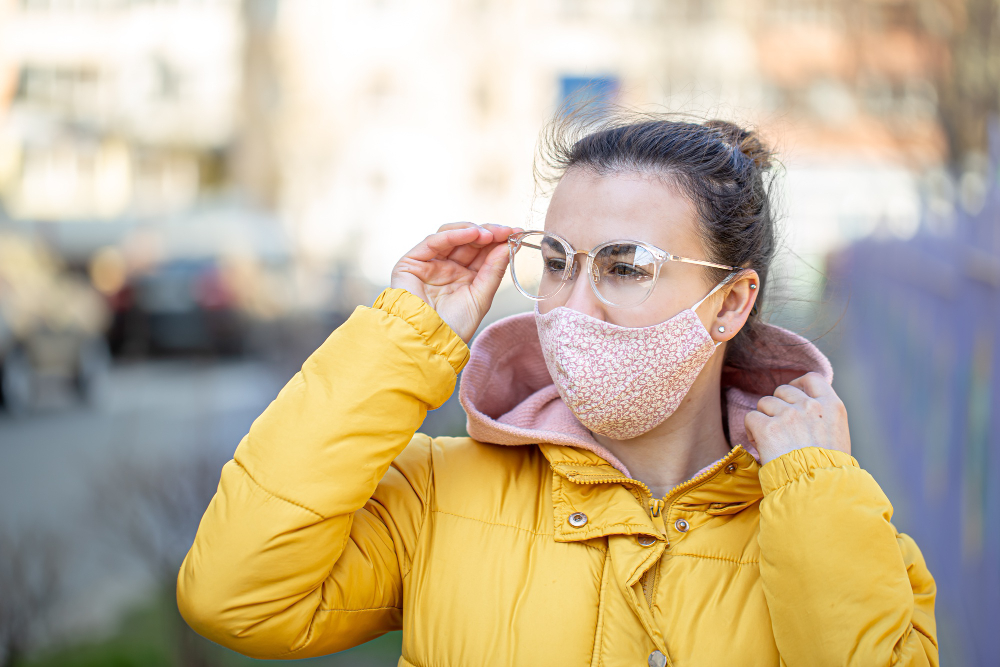
Every day, many people face air pollution and smog, especially in cities. These problems can harm your eyes. It is important to protect your eyes from smog and pollution to keep them healthy. In this blog, you will learn how smog and pollution affect your eyes, what symptoms to watch for, and simple ways to keep your eyes safe. You will also find out when to see a doctor and how to prevent eye problems in the future.
How Smog and Pollution Affect Eye Health
Smog and pollution contain tiny particles and harmful gases. When these enter the air, they can irritate your eyes. For example, dust, smoke, and chemicals can make your eyes dry or red. Over time, repeated exposure may lead to more serious problems. In urban areas, the risk is higher because pollution levels are often greater. Therefore, it is important to know how these pollutants can harm your eyes.
Common Symptoms Caused by Smog and Pollution
Many people notice changes in their eyes during high pollution days. Some common symptoms include:
If you notice these symptoms, it may be due to smog or pollution. However, other conditions can cause similar problems, so pay close attention to your symptoms.
Simple, Practical Tips to Protect Your Eyes
There are many easy ways to protect your eyes from smog and pollution. Try these simple tips:
By following these steps, you can lower your risk of eye problems caused by pollution.
When to Seek Medical Help
Sometimes, eye symptoms can be a sign of a more serious problem. You should see an eye specialist if you:
Early treatment can help prevent lasting damage. Therefore, do not wait if you are worried about your eyes.
Prevention and Lifestyle Guidance
Prevention is always better than cure. Here are some lifestyle tips to keep your eyes healthy, even in polluted areas:
By making these habits part of your daily routine, you can protect your eyes from smog and pollution.
Conclusion
In summary, smog and pollution can harm your eyes, but you can take simple steps to stay safe. Watch for symptoms, follow protective tips, and seek help if needed. Consult an eye specialist for personalized advice on protecting your eyes from smog and pollution.
Sources: World Health Organization (WHO), Centers for Disease Control and Prevention (CDC), American Academy of Ophthalmology